BERITA TERKINI


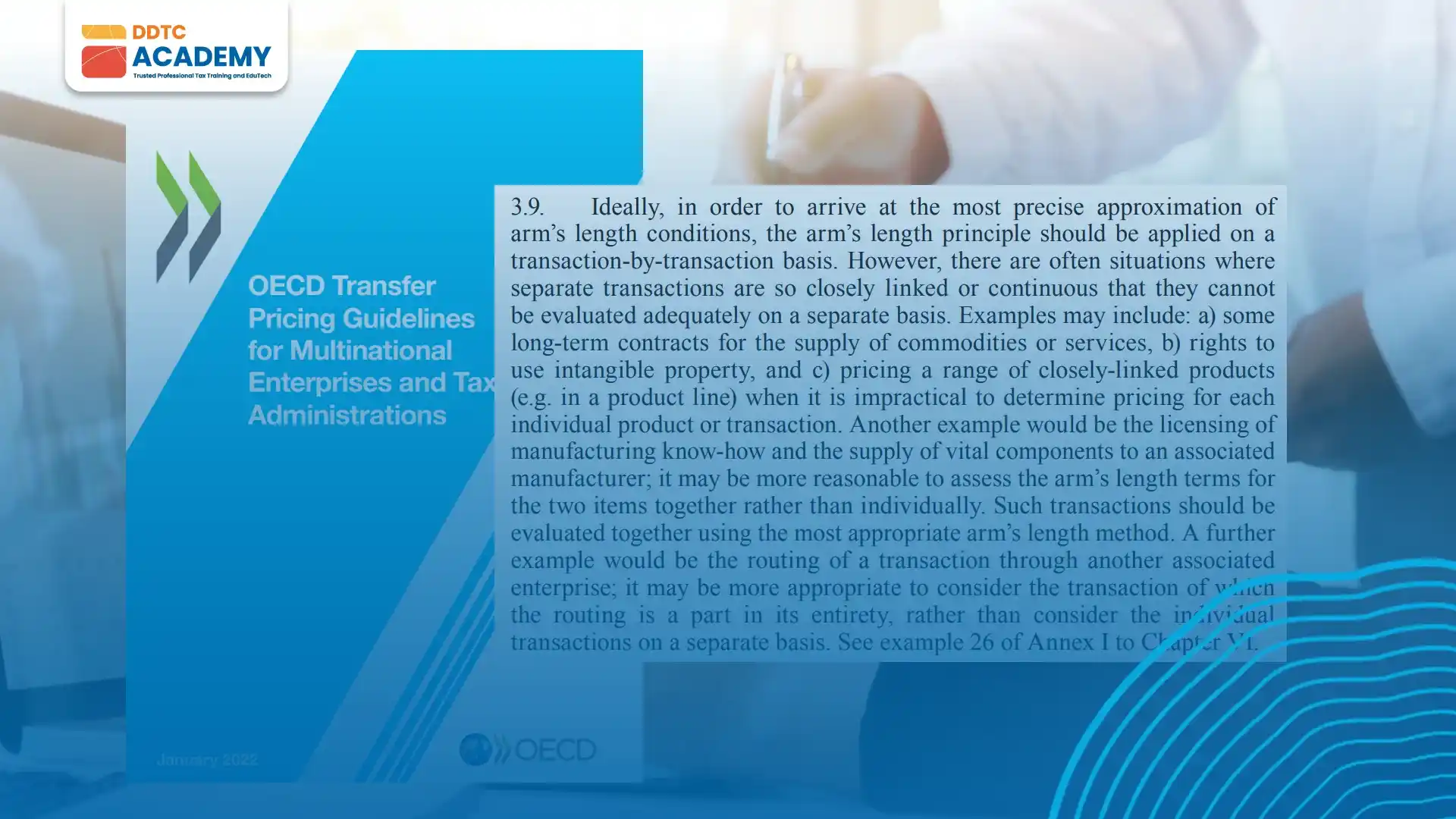
JAKARTA, DDTCNews – The government is investigating palm oil exporters suspected of engaging in under-invoicing and transfer pricing manipulation. This topic is one of the highlights covered by national media today, Friday (29/5/2026).
Finance Minister Purbaya Yudhi Sadewa explained the details regarding 10 crude palm oil (CPO) exporting companies allegedly involved in under-invoicing and transfer pricing manipulation practices.
According to him, of those 10 companies, 2 are currently being investigated by law enforcement for allegedly engaging in these fraudulent practices. "Those two [CPO companies] are indeed [being investigated]," he said.
Purbaya explained that the Ministry of Finance initiated a preliminary investigation based on data findings of alleged under-invoicing and transfer pricing manipulation. After suspecting that 10 companies were involved in such practices, the Ministry of Finance worked with other agencies to investigate the matter.
"We conducted the initial investigation through data, then we collaborated with BPKP and the Attorney General's Office. We have complete data on 10 major exporters," said Purbaya.
Purbaya revealed that during the investigation, evidence of transfer pricing abuse in natural resource exports by CPO exporters was found. He noted that there is a tendency for exporters to sell commodities to their subsidiaries in Singapore before shipping to the final destination.
This transfer pricing manipulation practice clearly causes losses to the state. This is because Indonesian companies' profits are reduced, resulting in lower tax payments.
"So those 10 companies sell to Singapore through a trading company. The goods actually go directly there because the ship doesn't change, but the paperwork is different," said the finance minister.
In addition to the above topic, there is also coverage on the SME final income tax. There is also discussion on the tightening of oversight of large taxpayers, the impact of the golden visa on investment, the establishment of non-tax state revenue (PNBP) for the public accountant profession, and other topics.
The government will tighten oversight of large taxpayers, business groups, and high-profile individuals in 2027. This step is part of the government's strategy to safeguard state revenue amid global economic pressures and moderating commodity prices.
This policy is outlined in the Macroeconomic Framework and Fiscal Policy Principles (KEM-PPKF) 2027 document. The government considers it necessary to strengthen compliance oversight to ensure tax revenue targets are met and the state budget (APBN) remains sound.
In the document, the government specifically highlights oversight of Group Taxpayers, taxpayers with transactions influenced by special relationships or affiliated transactions, and High-Profile Individual Taxpayers. (Kontan)
The government is still finalizing the draft government regulation (PP) that will serve as the legal framework for implementing the SME final income tax scheme. The PP is planned to permanently establish the final income tax regime for individual taxpayers and single-shareholder companies.
Finance Minister Purbaya Yudhi Sadewa said the latest regulation governing the SME Final Income Tax should face no obstacles. However, the regulation has yet to be issued to this day.
"We will definitely expedite the process. There should be no problem — I'm a bit puzzled as to why it's taking so long," he said. (DDTCNews)
The Ministry of Finance (Kemenkeu) has established the types and rates of non-tax state revenue (PNBP) related to the supervision and development of financial professions through PMK 33/2026.
PNBP related to the supervision and development of financial professions established by the Ministry of Finance covers licensing fees, approval fees, and administrative penalties.
"The rates for the types of PNBP referred to in paragraph (1) have the types and rates as set out in the Annex, which forms an inseparable part of this ministerial regulation," reads Article 1 paragraph (2) of PMK 33/2026. (DDTCNews)
Hajj pilgrims are urged not to offer jasa titipan (jastip — personal shopping services) from Saudi Arabia, even though the government provides import duty exemption facilities.
The Directorate General of Customs and Excise (DJBC), on its official website, explains that import duty exemptions are provided to facilitate hajj pilgrims who wish to bring souvenirs from Saudi Arabia for their families back home.
Hajj pilgrims are urged not to misuse this facility to operate jastip services from Saudi Arabia. "Our hope is that hajj pilgrims will tend to focus on performing their religious obligations rather than running personal shopping services," wrote DJBC. (DDTCNews)
Finance Minister Purbaya Yudhi Sadewa reaffirmed that DJBC continues to carry out its function as the supervisor and inspector of goods trade flows, even though the government has established a new export body, PT Danantara Sumber Daya Indonesia (DSI).
Purbaya said the establishment of DSI as a single gateway for strategic natural resource exports will not diminish DJBC's authority in overseeing export and import activities.
"[DJBC's role] remains as usual — what is actually different? The company does the trading, but customs is what inspects exports and imports. So it doesn't mean that DJBC's function is gone," he said. (DDTCNews)
The Directorate General of Immigration recorded that investment flowing into Indonesia through the golden visa program has reached IDR 52.1 trillion.
Director General of Immigration Hendarsam Marantoko said the golden visa is a form of progressive, competitive, and globally adaptive immigration policy.
"This program serves as part of the national strategy to support economic growth and increase investment, without disregarding security aspects," he said. (DDTCNews)